
Most Unlikely Photos
A collection of photos I shot of rare events and phenomena that you’re unlikely to ever see.
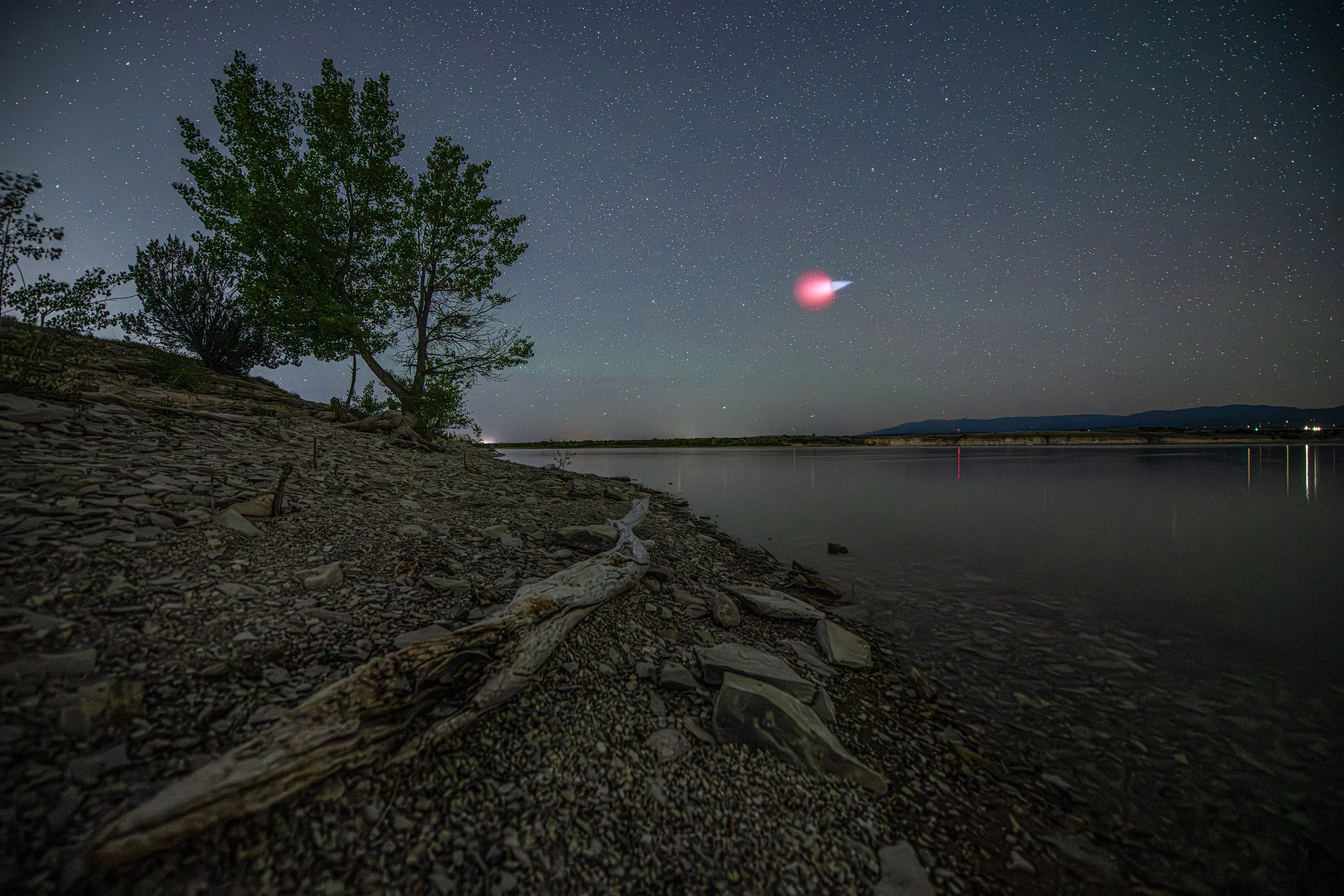
I set my camera up to capture shooting stars with consecutive 10-second exposures, and went fishing. At the end of my night I checked the time lapse to see if I had any luck and found this.
After much searching for what I captured, I asked Grok what this was with a full, detailed description including exact time (May 20th, 2025 at 9:52pm), coordinates, and this image for reference. Grok thought it might be a Plasmoid, and without any better theories I went with that for more than a year. Later, I asked Gemini the same question, and was given an exact launch schedule for this SpaceX mission, along with an extremely logical explanation for this unusual sight. Turns out, it’s the second stage space jellyfish from a short deorbit burn and gas venting which reflected the light from the sun hours after we little surface dwellers were deep in the shadow of Earth’s rotation, giving it a sunset lighting effect.
It’s actually hilarious that Elon’s ai couldn’t identify Elon’s satellite launch. But the joke’s on me because now I have to spend hours and hours masking out his thousands of space junk satellites from my star-trail photos.
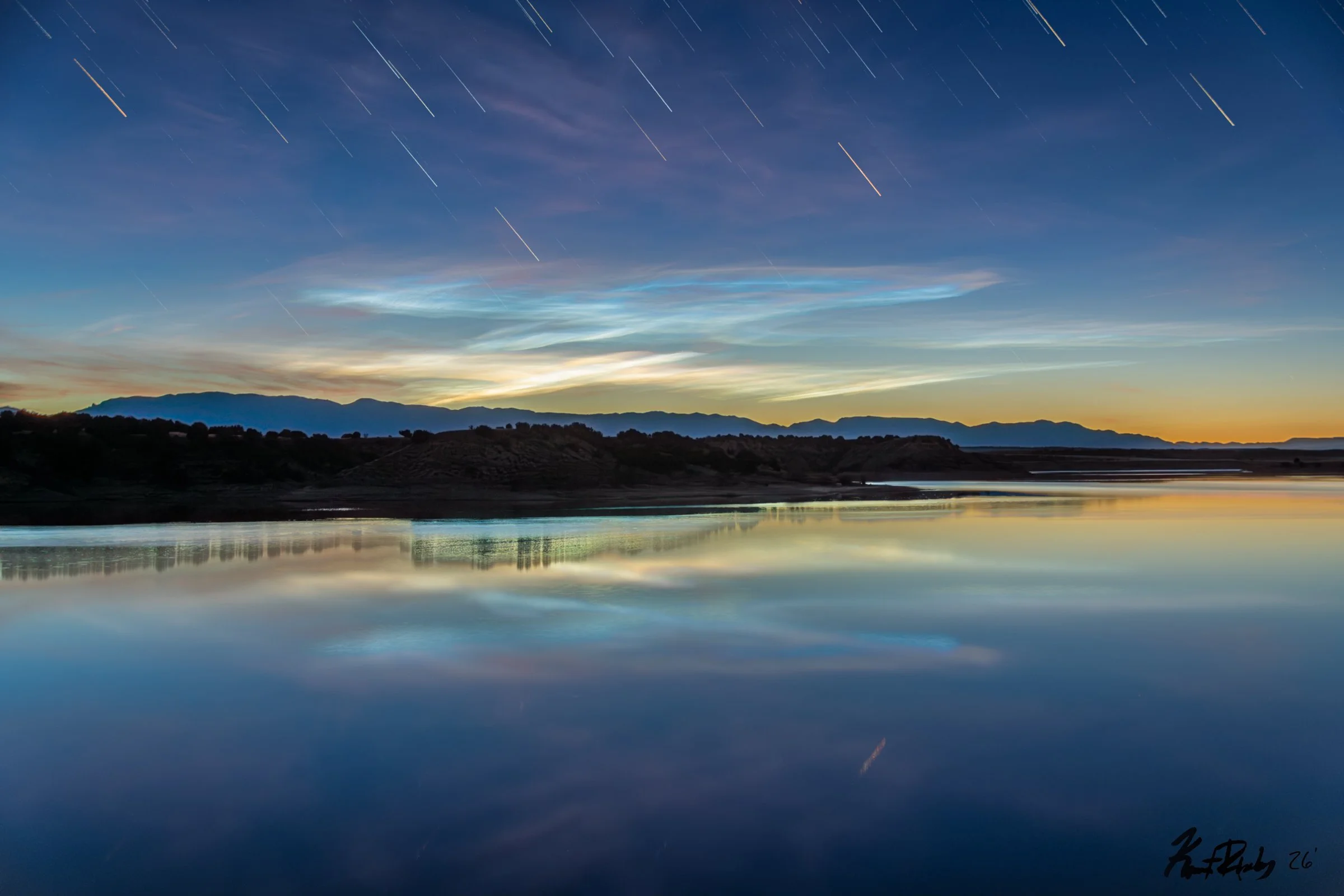
Also called Polar Mesospheric Clouds, these vivid clouds usually occur between 50 and 70 degrees latitude during the summer months, so seeing them just above the 38th parallel in February is a remarkably rare event. Aligning all the unlikely events that led to this happening with a photographer accidentally shooting a sunset time lapse at the exact same time in the exact same direction really is a 1 in a million shot.
Getting rid of all the SpaceX satellites took me about 5 hours for this sequence.
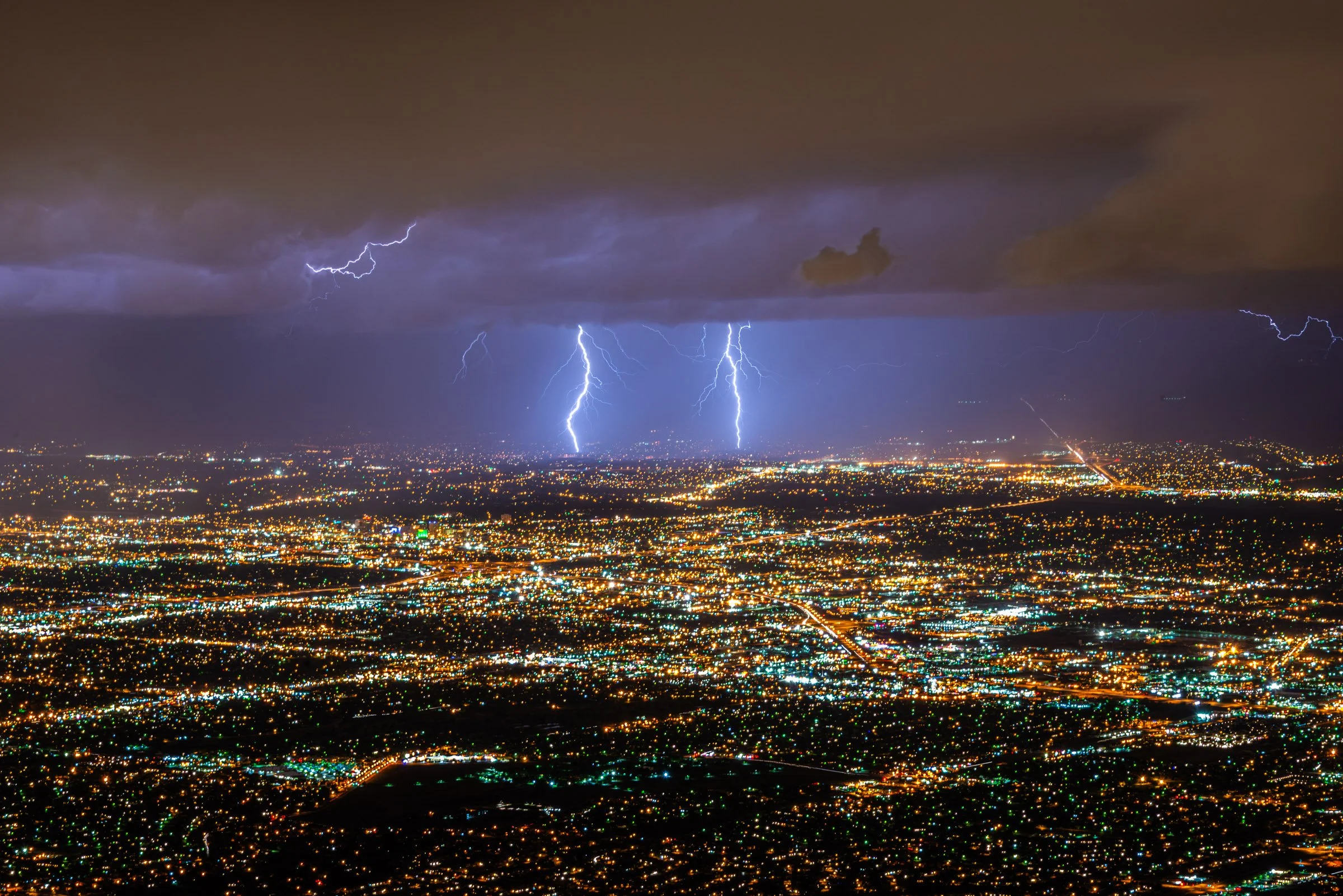
I was in Albuquerque for a month shooting hotels, during that month I made as many trips as I could to the overlook at Sandia Crest trying to get lightning from the summer storms. Though this isn’t a rare phenomena, seeing it from this vantage apparently is because I had the whole place to myself every time. It’s hard to believe that of all the people those lights represent below, none wanted to see this bad enough to peel their eyes away from the sitcom rerun they were watching, get off the couch, and drive 20 minutes.
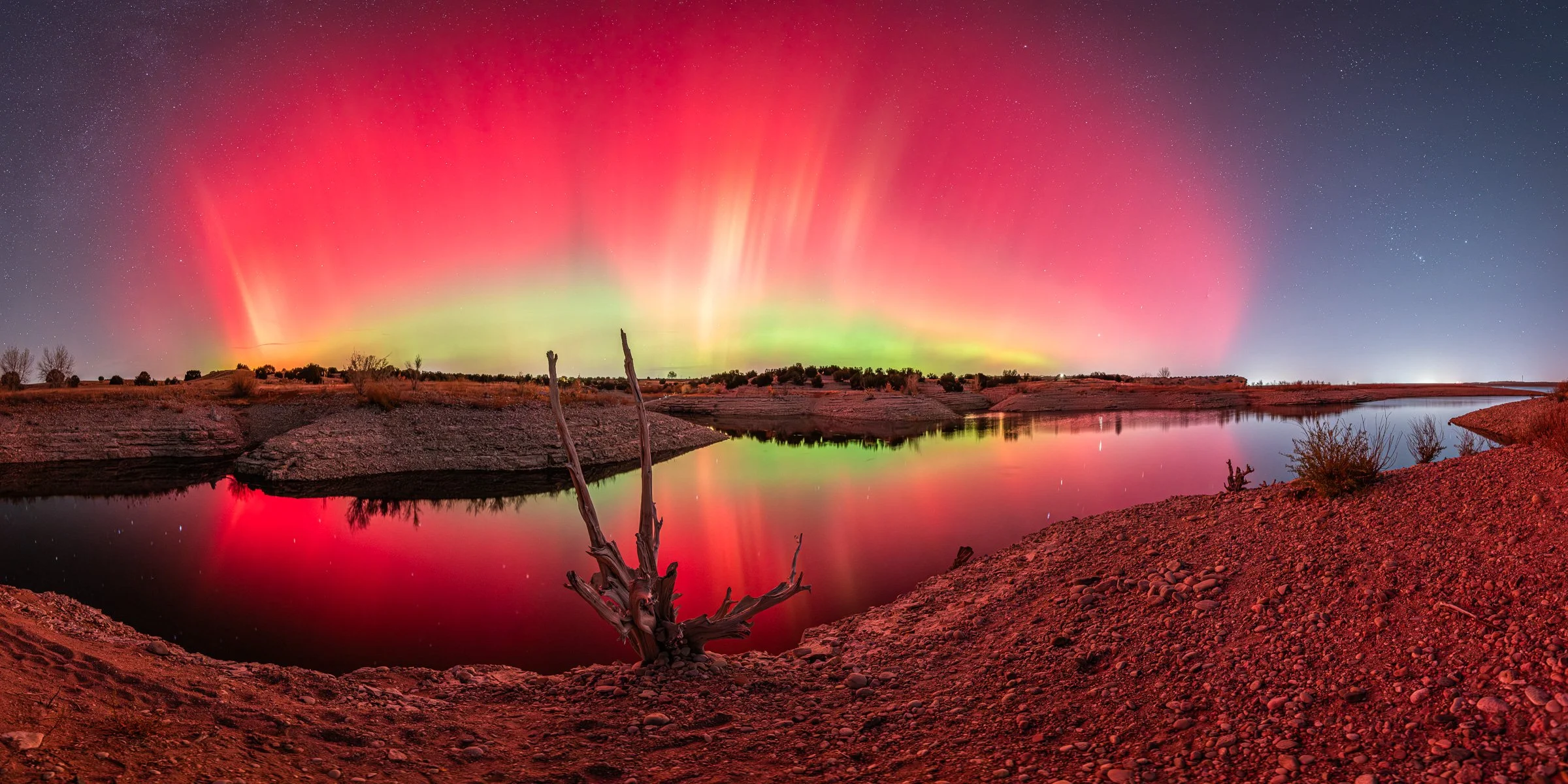
This little Juniper snag sits before the northern horizon, and after many attempts at framing it with something interesting I had all but given up due to the disgusting city-glow from Colorado Springs ruining the shot. Finally, an unlikely aurora following a strong Coronal Mass Ejection gave me the opportunity. Check out my gallery AURORA AT LAKE PUEBLO 11-11-25 for other similarly eye-catching images.
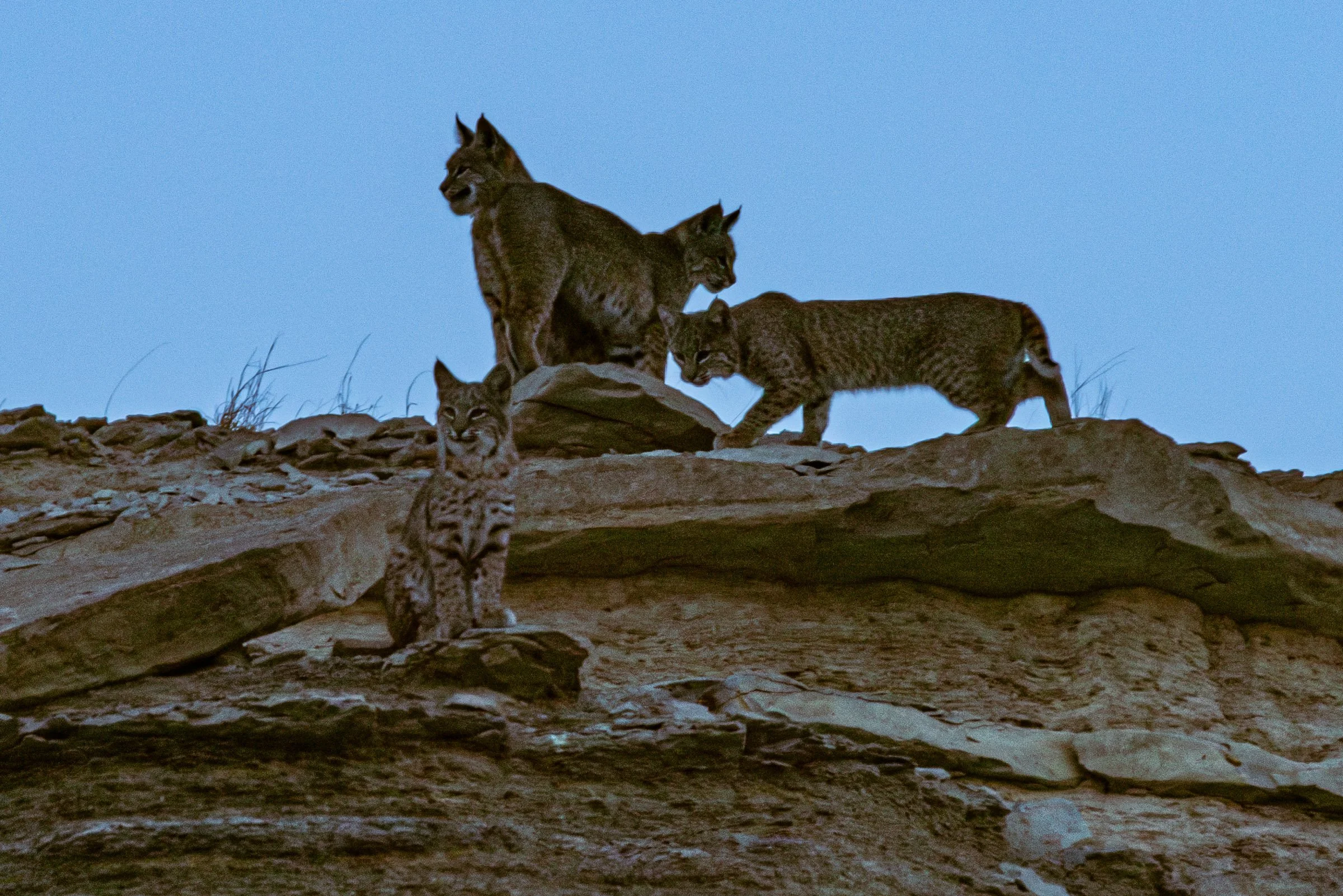
A mother Bobcat (top-left) was enjoying the view with her grown cubs from the edge of Rock Canyon below the Lake Pueblo Dam. Seen November 20th in 2016, this was likely one of the last such tender moments these cats would ever have together before the cubs set off on their own. Btw, I knew who the mother was because the other three were taking turns rubbing onto her affectionately. It was truly touching to watch.
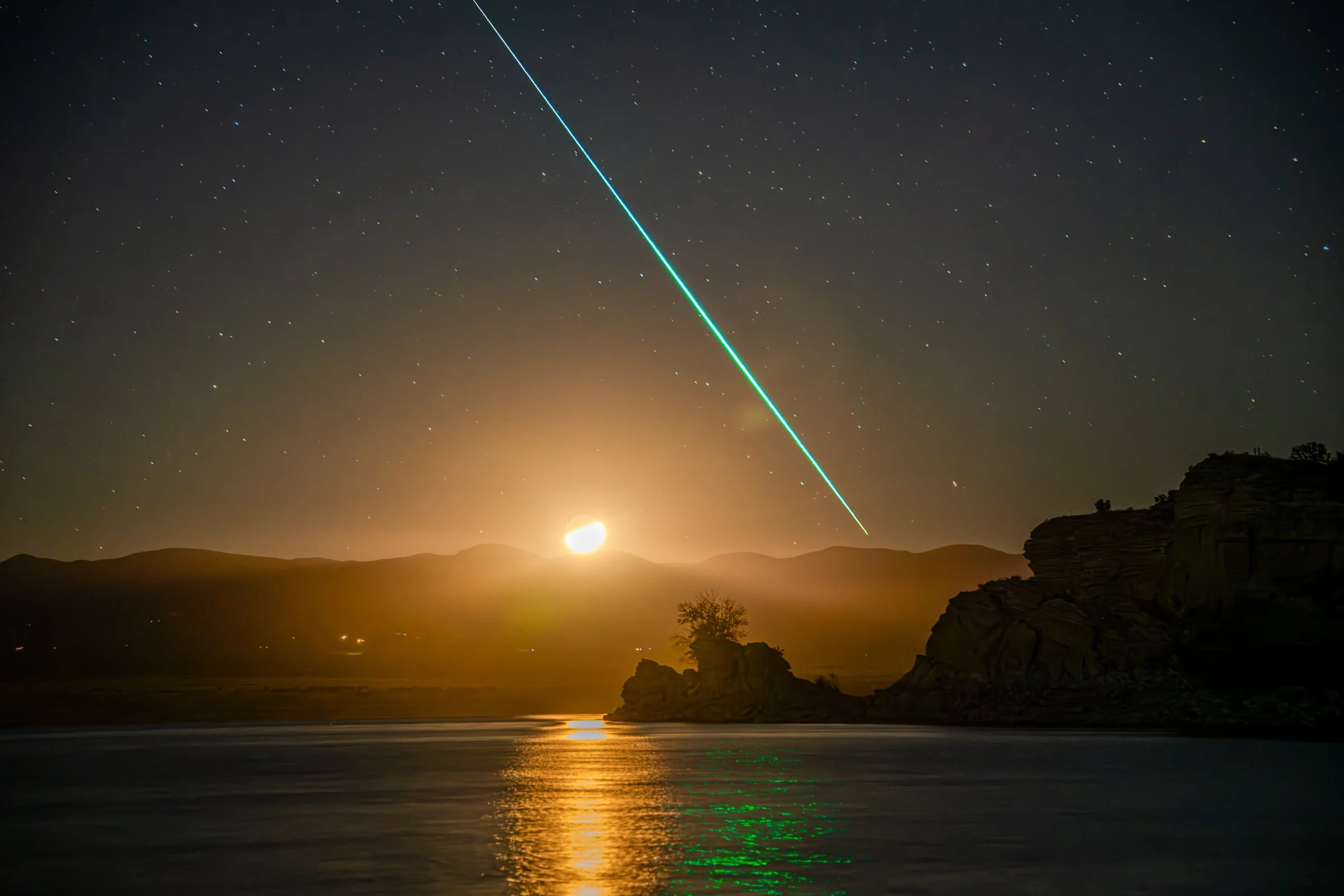
Large and colorful meteors like this are an uncommon sight, I have very few on camera despite literally hundreds and maybe a thousand or more nights spent pointing my glass at the sky. None so far more perfectly framed and beautiful as this. This shot represents 10 years of frequent attempts.
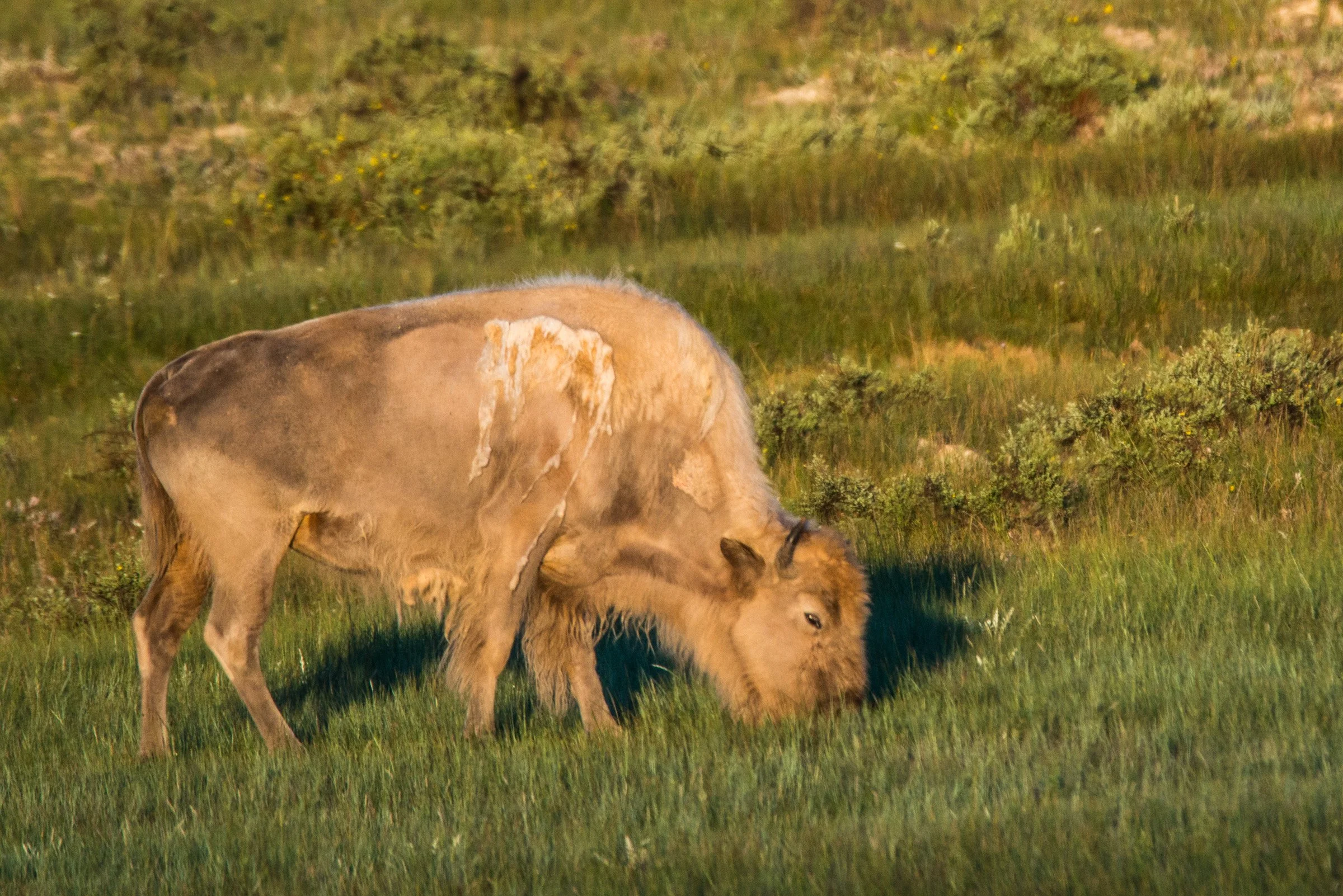
Do I really need to explain why this is crazy rare?
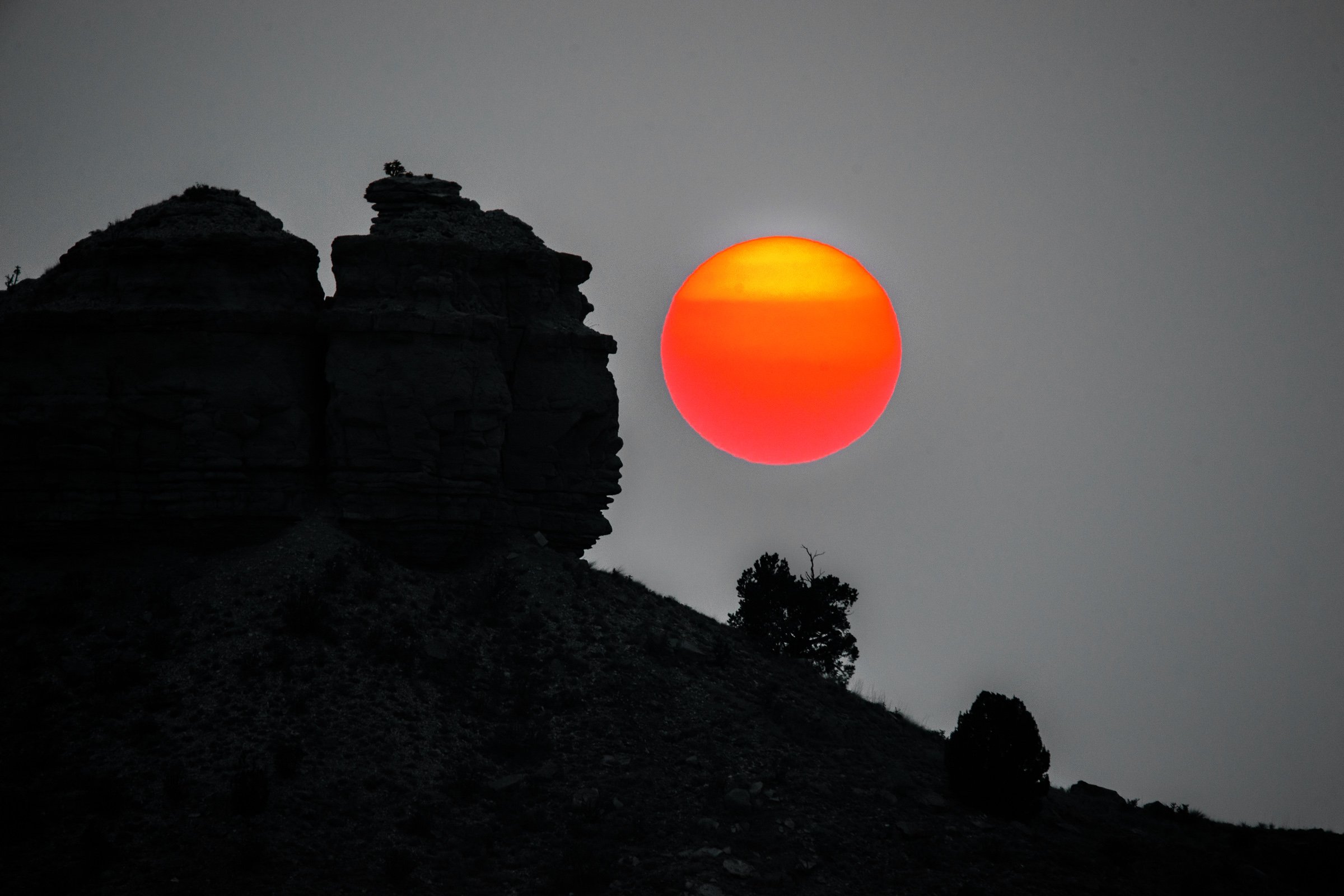
This shot is basically unaltered from how it looked. I didn’t tone down the color of the sky or mess with the contrast much, this was just the smoke from 2017’s terrible wildfires.
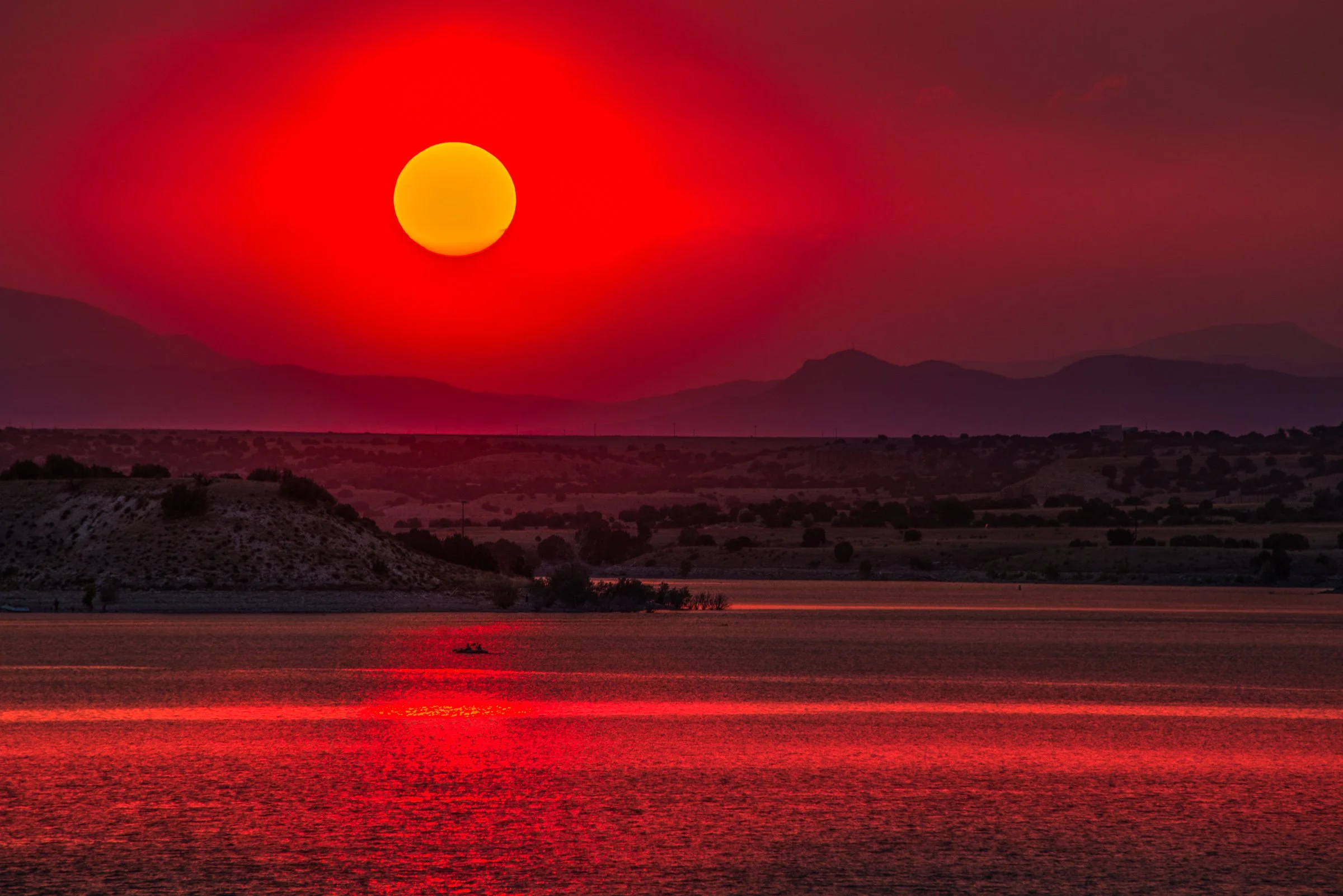
More from 2017’s wildfires. This was truly horrible, but it did make for some interesting skies. Like the old curse “may you live in interesting times”, “may you have interesting skies” is similarly a mixed bag. Better to be a dog in times of tranquility than a human in times of chaos, but oh how I do bitch and moan when I have boring blue sky conditions.
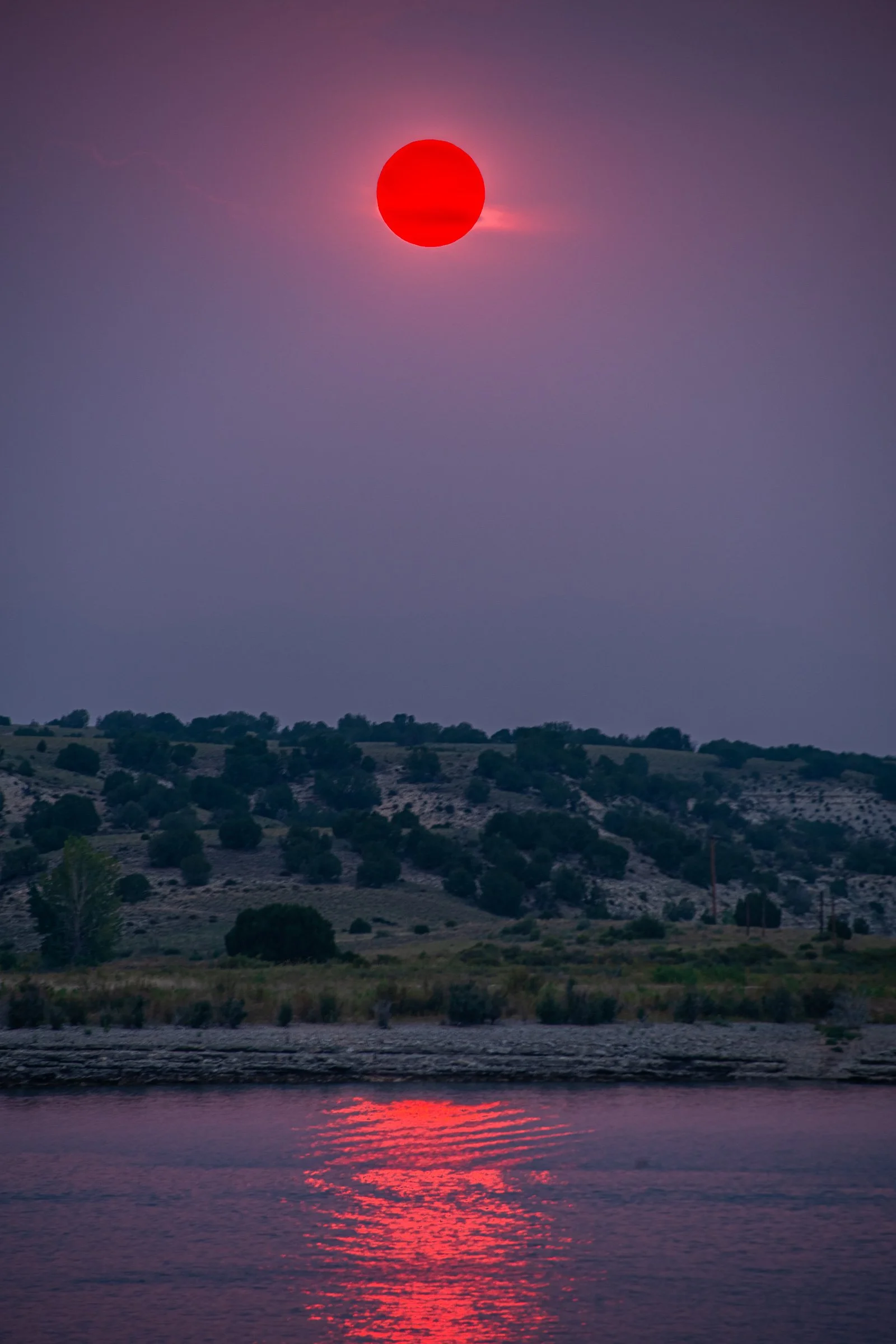
This one was extremely hard to shoot for some reason, no setting I could configure in-camera could replicate the color and luminosity of the sun. This is my best attempt at using photoshop to restore the original light and color.
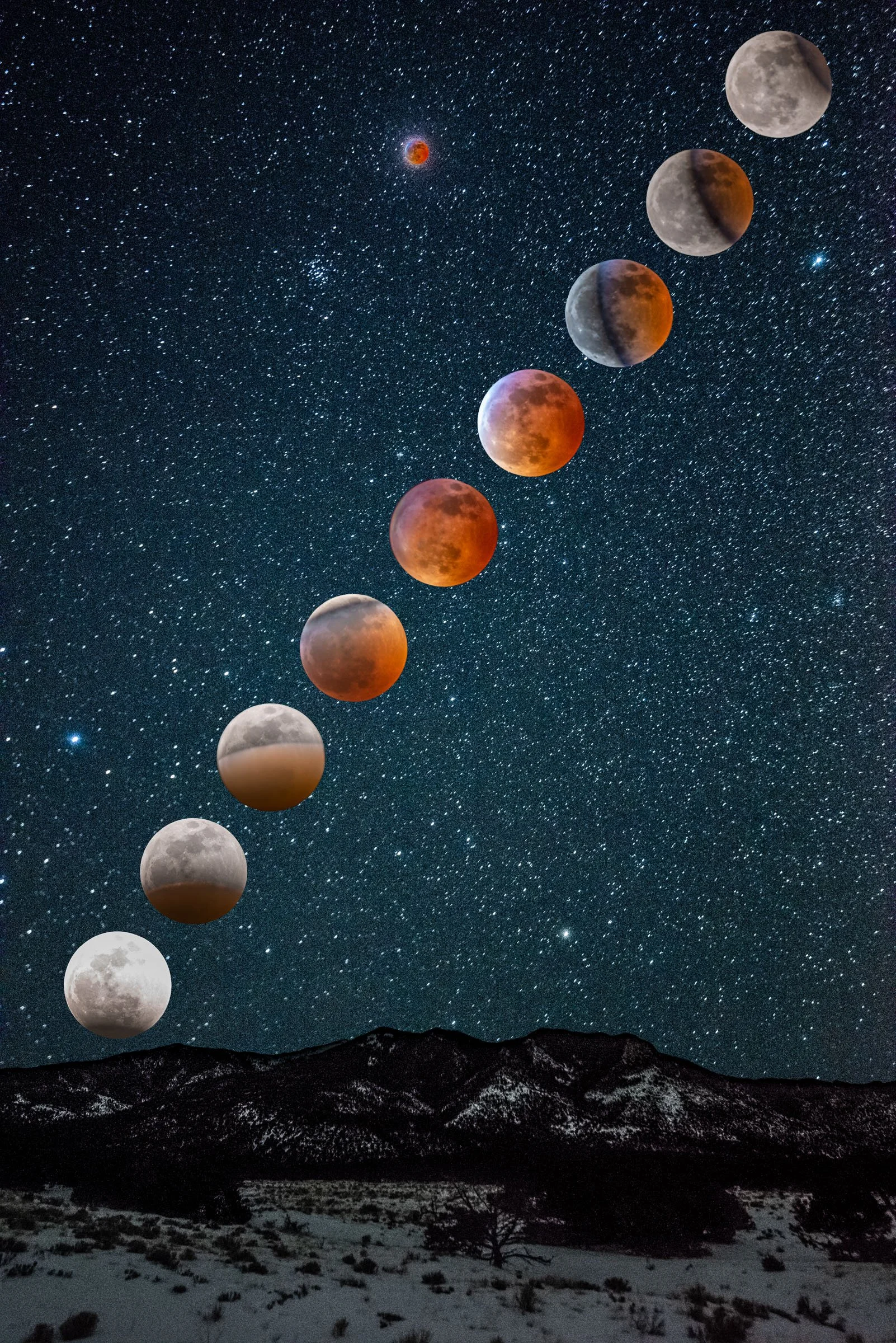
They do happen every handful of years, but if you’re trying to see it you’re more likely to be plagued with cloudy skies than not.
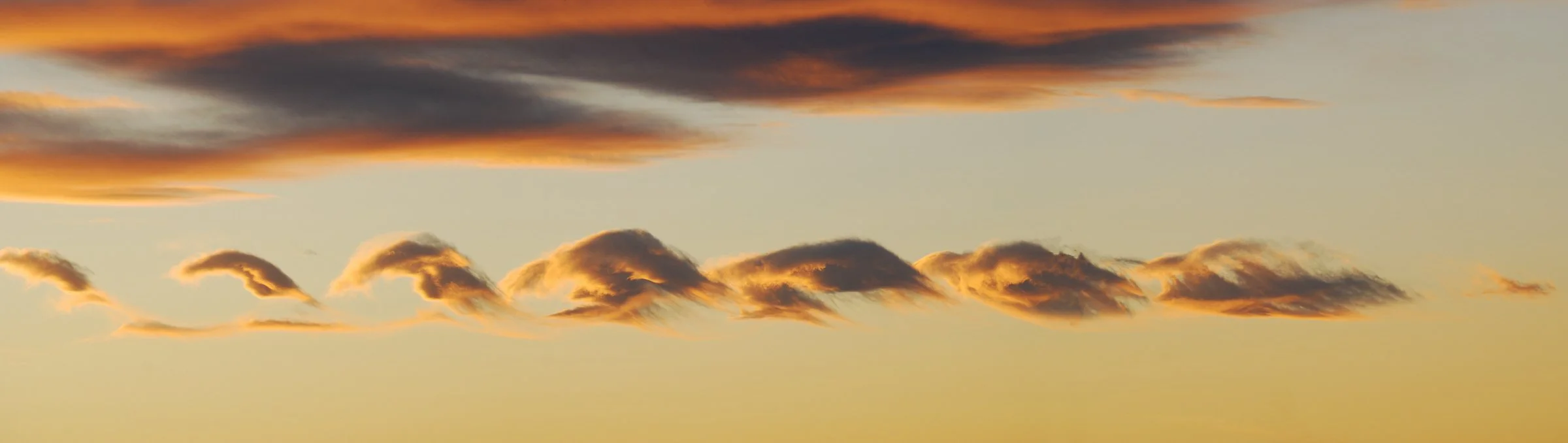
I have to admit that I really don’t know for sure if this is a Kelvin-Helmholtz cloud, because they are almost entirely seen as a sort of ocean-wave like pattern. This is more of a helical, DNA-like formation. They are usually pretty small, and don’t last very long, but I do see these formations popping up over the eastern slope of the Wet Mountain range rarely. More rarely as clearly represented here and with great sunset colors to boot.
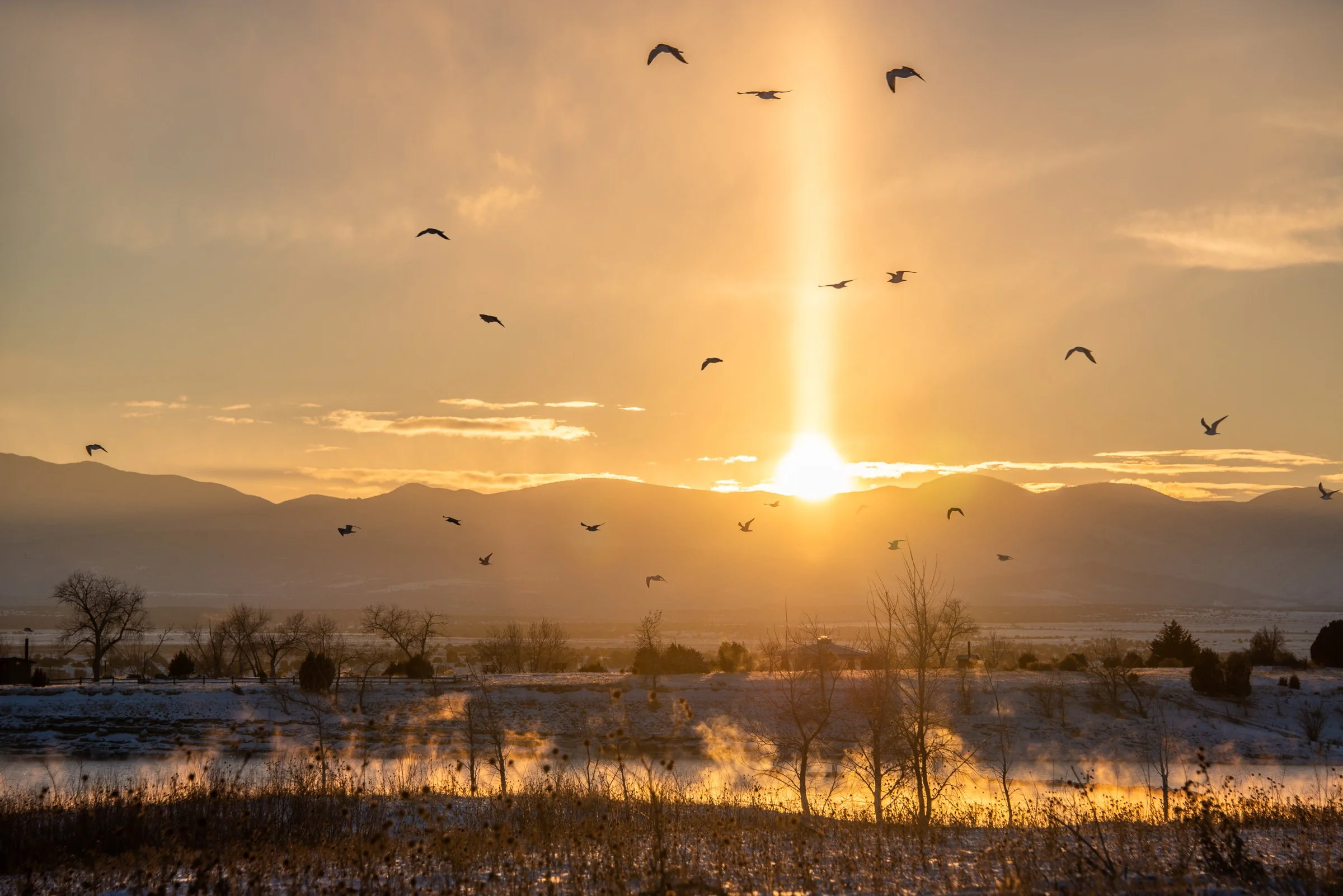
These are rare to see so far south, because most people living here want absolutely nothing to do with the -15F temps involved in creating them. Polar bears probably see them all the time.
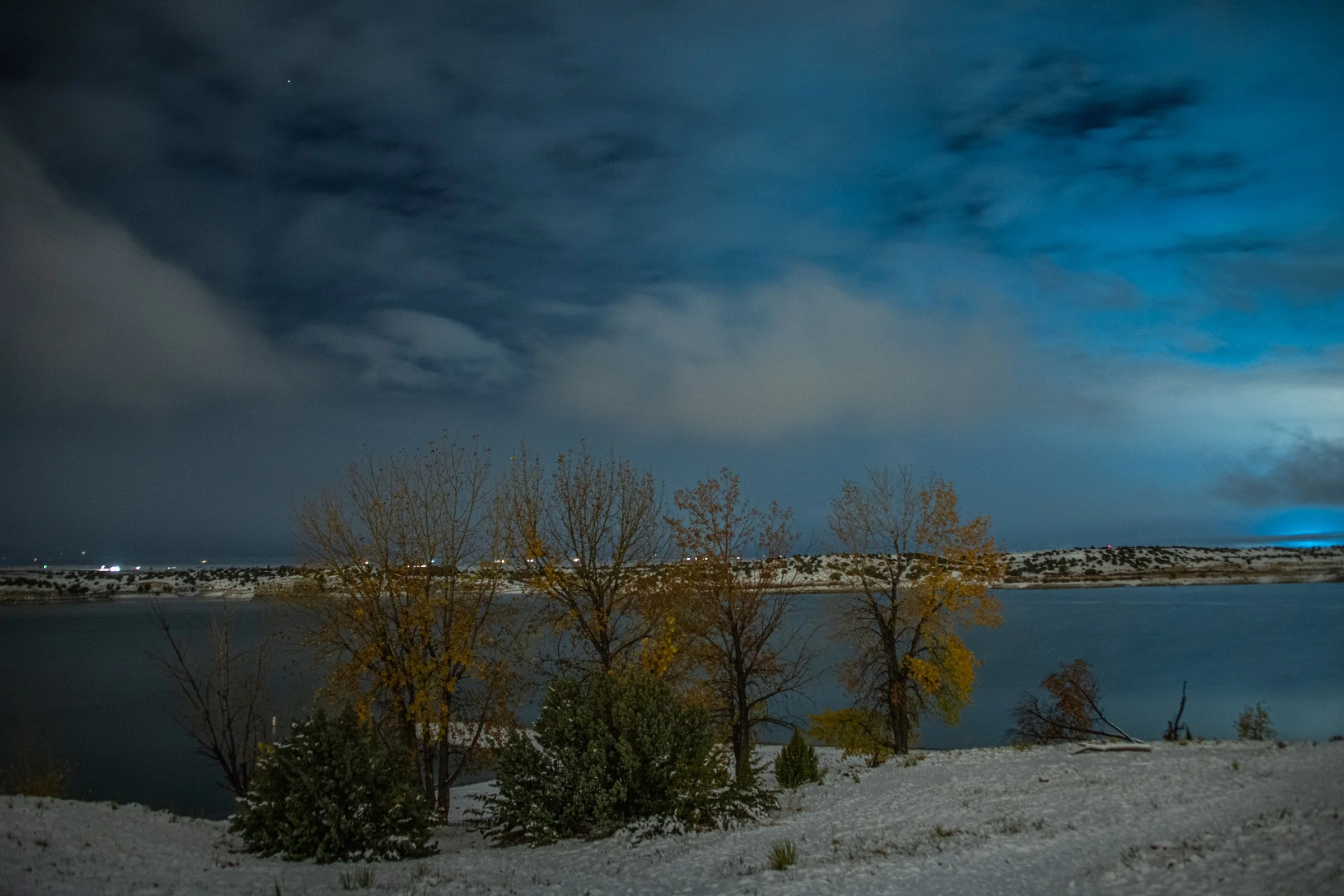
I saw the flash a few times leading up to this as I carefully navigated the slick roads to get to a good vantage, so I estimated the exposure settings I’d need and set up where I thought the next one would hit. It happened just barely out of frame, but the resulting light was still very beautiful. Not quite a W, but I wouldn’t call it an L either. If there’s anything to be learned from this gallery it’s that I’m persistent as fuck, so expect better thundersnow in the future. Oh, and it’s super rare, of course.
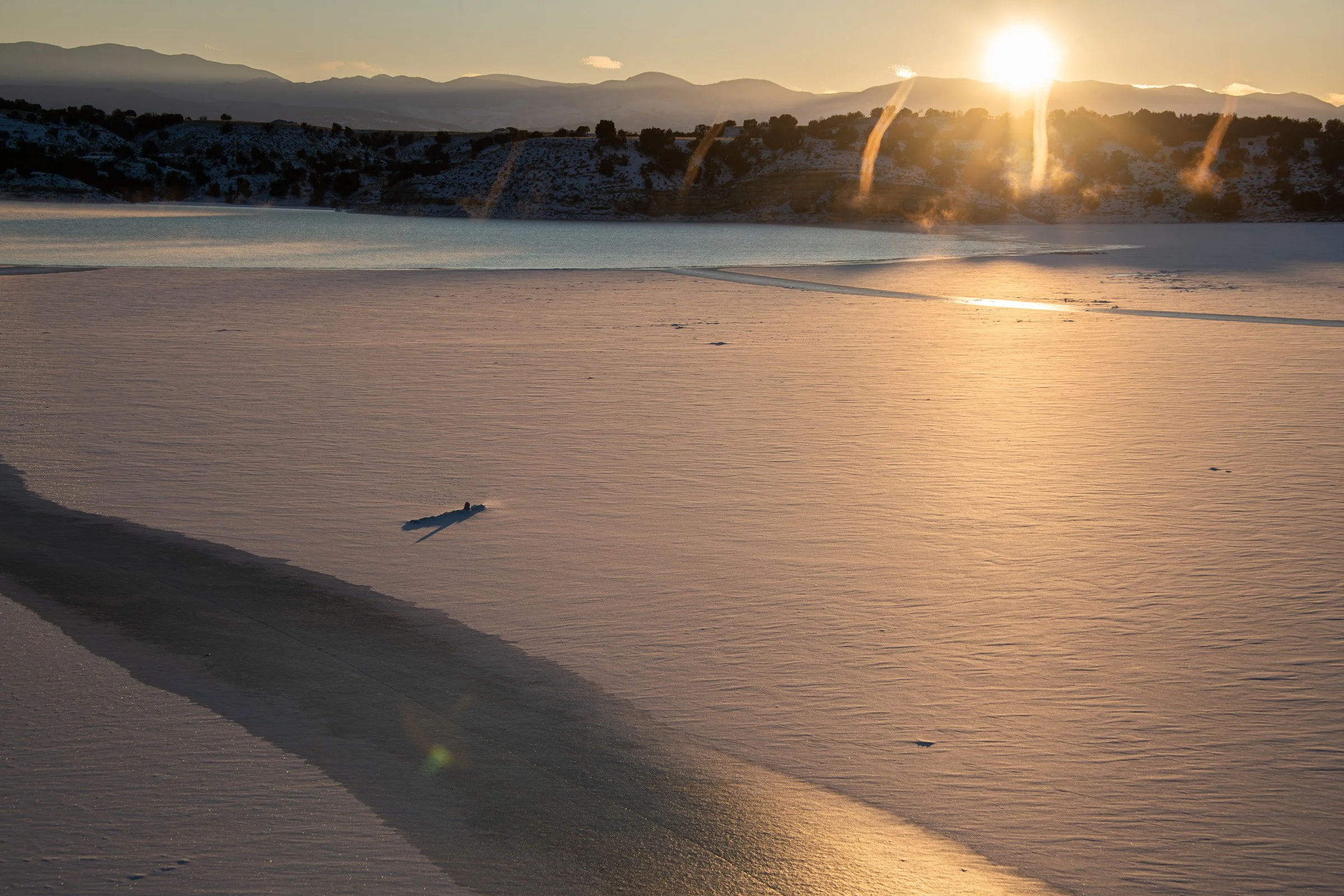
Sub-zero temperatures and just the right surface conditions give this rare phenomena a chance to form, which it does at lake pueblo fairly often in the coldest weather. Since the lake surface rarely (or never) freezes entirely, when the temps dip and the cold, unstable air mass meets the warmer water, cyclones of upward-rushing steam form. They march in a line up the river channel, driven by the chaotic clash of drastically different temperatures.
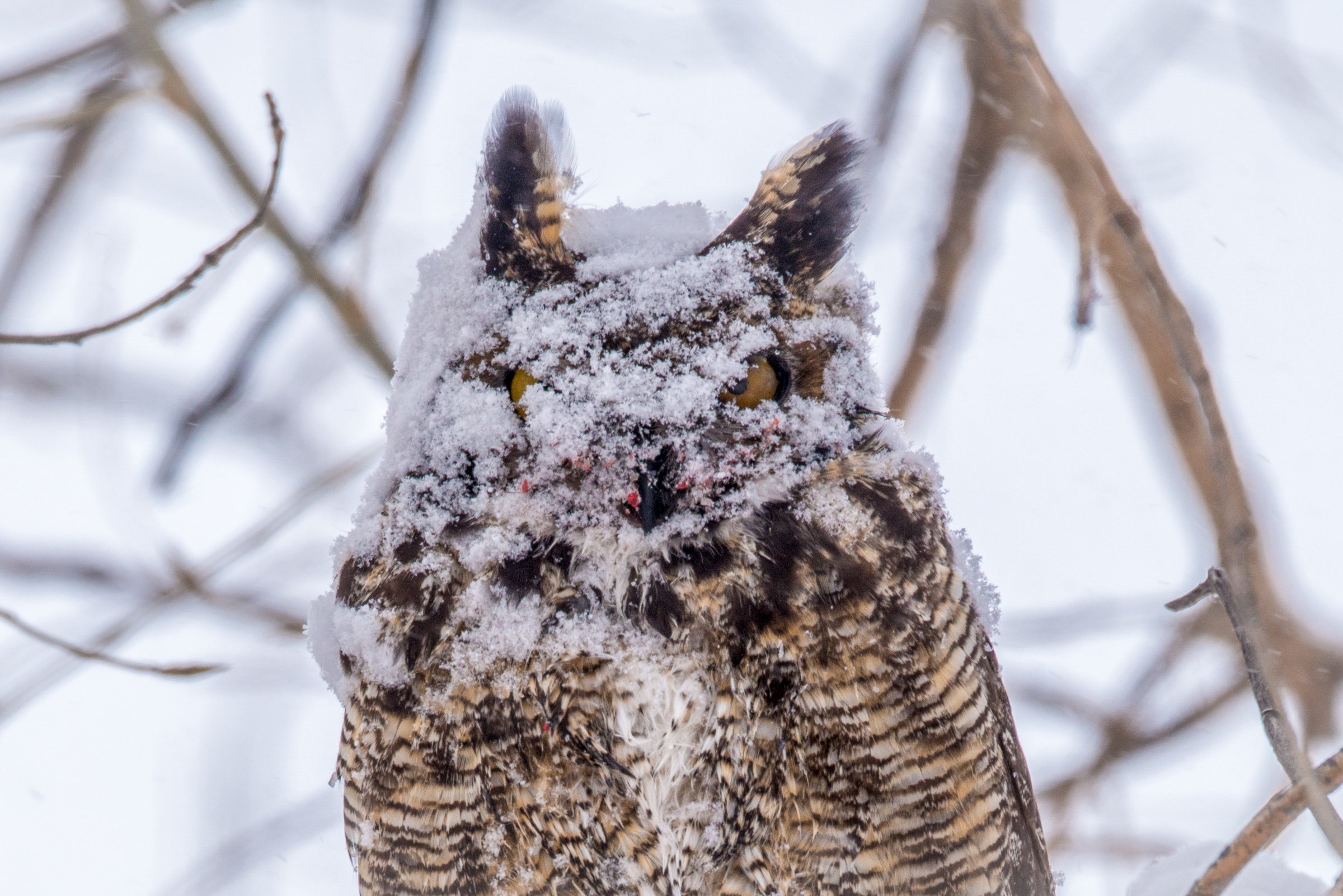
Certainly shows how tough they are. Eyes crusted with snow, and still capable of issuing that death stare. Most of my owl photography is rare because of how difficult a subject wild owls can be around here. But this one stands out to me. Many professional looking owl photos you see are captive or rescued birds in an essentially studio-like setting, so you’re never likely to see them facing adverse conditions.
